
There is no recognised scientific term called V2max. The research worth reading concerns VO2 max. Here is what recent, reputable studies show about fitness, mortality and training.
Search for "V2max" and you will not find a recognised scientific term. The query almost certainly refers to VO2 max — maximal oxygen uptake, the standard measure of aerobic capacity. The only literal matches online are a consumer VPN app, which has nothing to do with physiology. With that clarified, there is a substantial and recent body of reputable research on VO2 max worth summarising.
What VO2 max measures
VO2 max is the maximal rate at which the body can consume oxygen during intense exercise, expressed in millilitres of oxygen per kilogram of body weight per minute (ml/kg/min). Harvard Health describes it as an integrated measure: how effectively the heart and lungs supply oxygenated blood to working muscles, and how efficiently those muscles extract and use it. Because it sits at the centre of cardiorespiratory fitness, it is widely used as a predictor of endurance performance and long-term health.
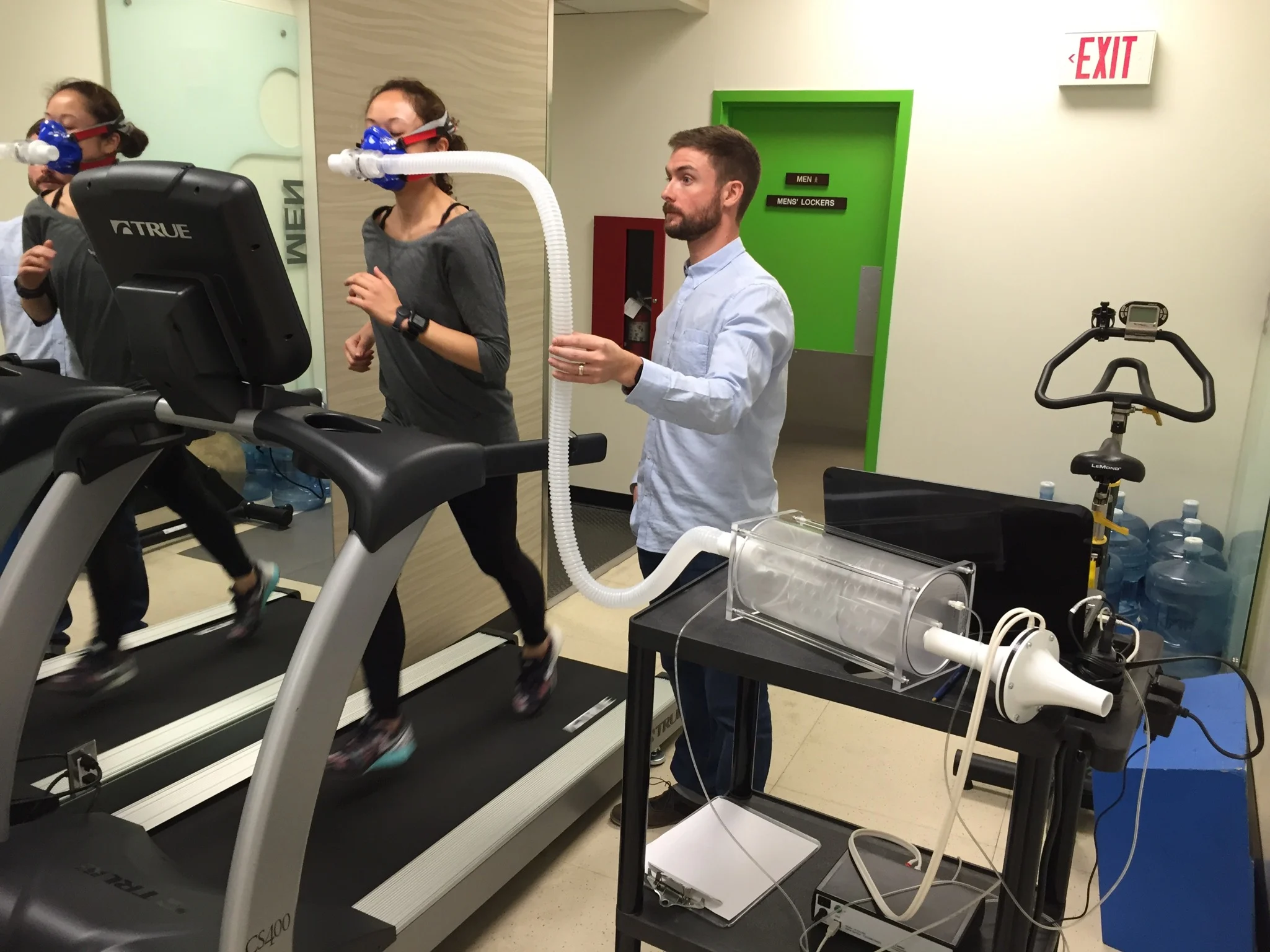
The most accurate measurement takes place in a lab, using a heart-rate monitor and a mask that records oxygen intake and carbon dioxide output while a person runs or cycles at increasing intensity until exhaustion. The full maximal test typically lasts 10 to 20 minutes.
Fitness and mortality
The strongest evidence linking VO2 max to health outcomes comes from large cohort and meta-analytic work. A widely cited meta-analysis covering millions of participants found that each one-MET increase in cardiorespiratory fitness is associated with a substantial reduction in all-cause mortality — figures frequently cited place the reduction around 14 per cent per MET.
A 2026 study published in Scientific Reports (Nature portfolio) examined 340 multi-marathoners across 24 countries, with an average of 121 lifetime marathon completions. The researchers estimated VO2 max from wearable device data and compared it against normative trajectories from the FRIEND cohort. Participants showed substantially higher VO2 max values than population norms across all age groups, with several age bands exceeding the 95th percentile. The cohort also showed a more gradual age-related decline, particularly among older adults. Using published meta-analytic data indicating a 3.7 per cent reduction in all-cause mortality per 1 ml/kg/min increase in VO2 max, the authors estimated notably lower mortality risk across the group.
Caution is warranted here. The study is cross-sectional and based on self-reported data and wearable estimates rather than laboratory measurement. Its authors explicitly note that potential cohort effects mean longitudinal research is needed to clarify causality. It documents the physiological profile of a distinctive group; it does not prove that running marathons causes superior fitness.
How training changes VO2 max
The most comprehensive recent synthesis is a 2026 scoping review in the Journal of Functional Morphology and Kinesiology, which gathered 617 studies of aerobic training and VO2 max. Its headline finding is about the shape of the literature as much as the results: 363 of those studies — almost three in five — used moderate-intensity continuous training, while interval protocols and interventions longer than three months were systematically under-represented.
Within the evidence that does exist, a network meta-analysis of 38 controlled trials found that repeated sprint training, high-intensity interval training and sprint interval training all produced larger VO2 max improvements than continuous running, with repeated sprint training showing the largest effect size. The most consistent gains appeared when athletes performed 140-second efforts with 165 seconds of recovery, three times a week, for three to six weeks.
Continuous training still produced reliable gains — just smaller ones. The review's authors stress that trial conditions rarely match real-world practice, and that typical amateur training (roughly 80 per cent easy running, 20 per cent quality work) is barely represented in the published literature.
Where the evidence is thin
The same review identifies significant gaps. Female participation across the 617 studies sat below 30 per cent, the median intervention lasted 11.4 weeks, and only a handful of trials reported menstrual cycle phase or hormonal contraceptive use. Long-term studies exceeding 12 weeks were rare, and almost none compared protocols head-to-head over six months. Inconsistent reporting of participants' starting fitness also tends to inflate apparent gains.
The bottom line
VO2 max is a well-validated marker of cardiorespiratory fitness with strong associations to mortality risk, and it is trainable — but slowly. The current evidence favours interval-based work for pushing the ceiling, on a base of low-intensity volume, with at least six weeks needed before judging results. The main caveat concerns causation: most of the strongest health claims come from observational data, and the training literature remains dominated by short studies in young men. "V2max" as such does not exist; the research worth reading is on VO2 max.