
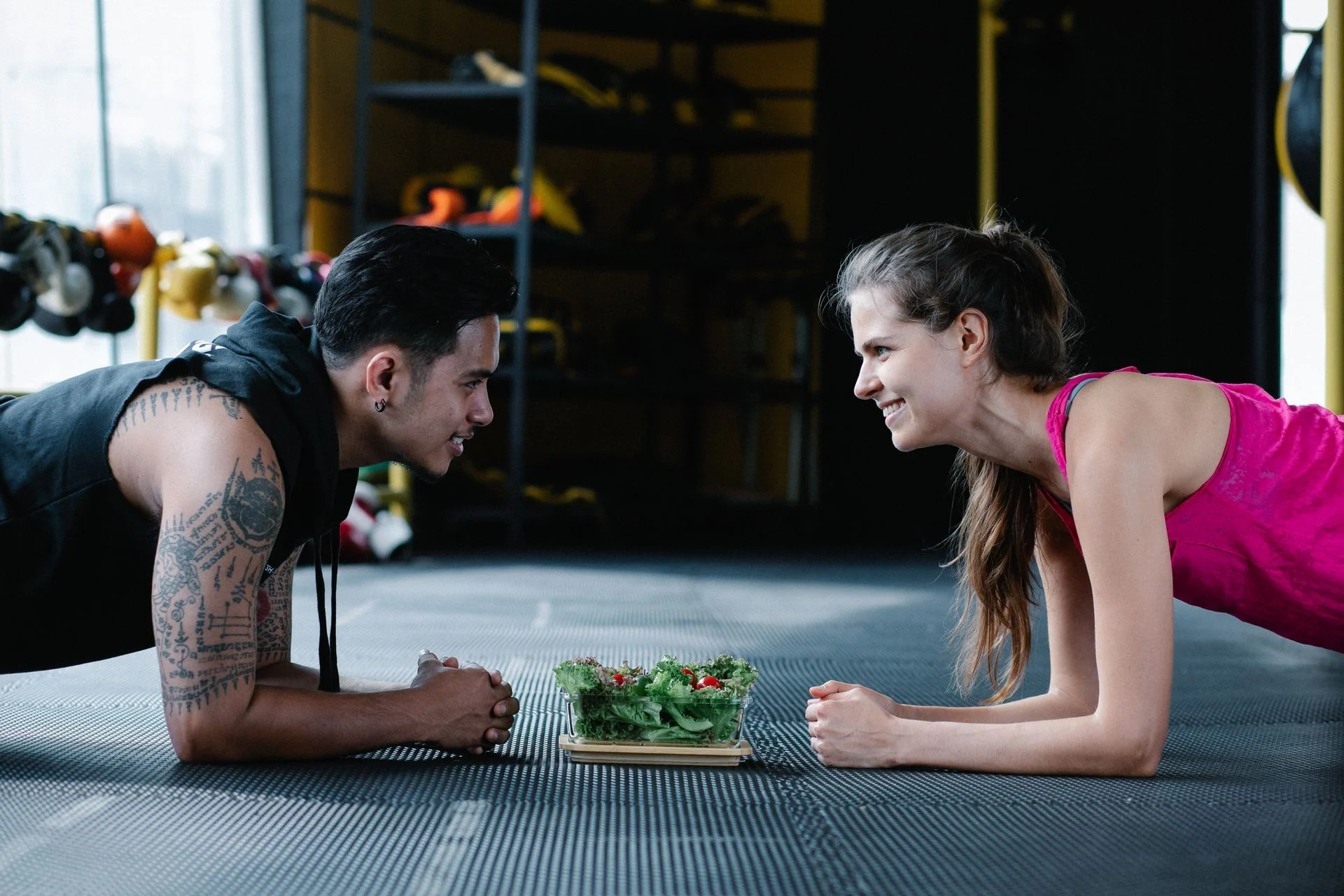
A four-university randomized trial found no significant difference in recreational runners` endurance or weight trainers` strength after four weeks on a plant-based diet compared with an omnivore diet.
Recreational runners and weight trainers who replaced meat with plant proteins for four weeks maintained their endurance and strength, according to a randomized crossover study conducted across four universities. The findings, published in Nutrition Journal, challenge a persistent social media claim that plant-based eating cannot support exercise.
What the study measured
Researchers recruited 36 undergraduate students from Rutgers, Stanford, Vanderbilt, and the University of Reading in England. The group included 16 recreational runners and 20 resistance trainers who exercised three or four times a week. Of the participants, 56 percent identified as male, 42 percent as female, and 2 percent as nonbinary.
Each participant completed two four-week phases in randomized order. During one phase, they ate an omnivore diet and were asked to consume at least two servings of animal protein a day. During the other, they replaced that meat with at least two servings of plant protein, such as beans, tofu, or plant-based meat alternatives. The crossover design meant each participant served as their own comparison.
Runners completed a 12-minute test covering as much distance as possible. Resistance trainers completed three-repetition maximum tests on the chest press, lat pulldown, and leg press.
Runners averaged 8,720 feet (about 2,658 meters) during the omnivore phase and 8,602 feet (about 2,622 meters) on the plant-based phase, a gap of roughly 118 feet (36 meters). The resistance trainers' combined strength was about 4 percent lower on the plant-based diet. Neither difference reached statistical significance, meaning the researchers could not rule out chance.
"After four weeks on each diet, there were no statistically significant differences in athletic performance between the plant-based and omnivore phases," said Peggy Policastro, director of behavioral nutrition at Rutgers and a registered dietitian who co-authored the paper.
Nutritional differences
Participants consumed considerably less protein during the plant-based phase, averaging about 71 grams a day against 103 grams on the omnivore diet. The plant-based figure stayed within published recommendations for people engaged in general fitness activities.
The plant-based diet contained more carbohydrates, fiber, iron, and calcium, while the omnivore diet carried more saturated fat, cholesterol, and vitamin B12. Reported calorie intake was similar in both phases.
Policastro noted that vitamin B12 is often a necessary supplement for people who follow a fully plant-based diet over an extended period, and that the nutritional differences underscore the importance of planning a balanced diet.
Why it matters
The study emerged from the Menus of Change University Research Collaborative, an international network that uses campus dining halls to study eating habits. Participants relied on university dining halls for most of their daily meals, making the setting directly relevant to institutional food policy.
"Popular social media claims frequently spread misinformation that plant-based diets fail to provide enough calories or protein to meet the demands of exercise," Policastro said. "The study specifically sought to test these claims."
She added that the findings should reassure physically active students who want to incorporate more plant-based foods. "This is important because it shows that everyday athletes can safely choose plant-based foods without worrying about harming their fitness or strength goals. These findings provide evidence-based support for colleges to comfortably expand healthy and environmentally friendly plant-based menu options for their active student populations."
What the study does not show
The authors set firm boundaries on their conclusions. The results apply to healthy, recreational college athletes over a short period. Unusually low reported calorie totals suggest some food intake went unrecorded.
For those reasons, the study cannot determine how plant-based eating might affect elite athletes or influence performance, muscle development, and recovery over many months or years, Policastro said. She added that the study does not establish that the two diets produce identical results, and that larger, longer, and more tightly controlled trials are needed.
Participants also offered suggestions for improving plant-based options, saying dining halls could improve the taste and variety of plant-based dishes. Some preferred beans, tofu, and other whole foods to processed substitutes. Cultural background, familiarity, cost, and access also influenced their willingness to choose plant-based meals.