
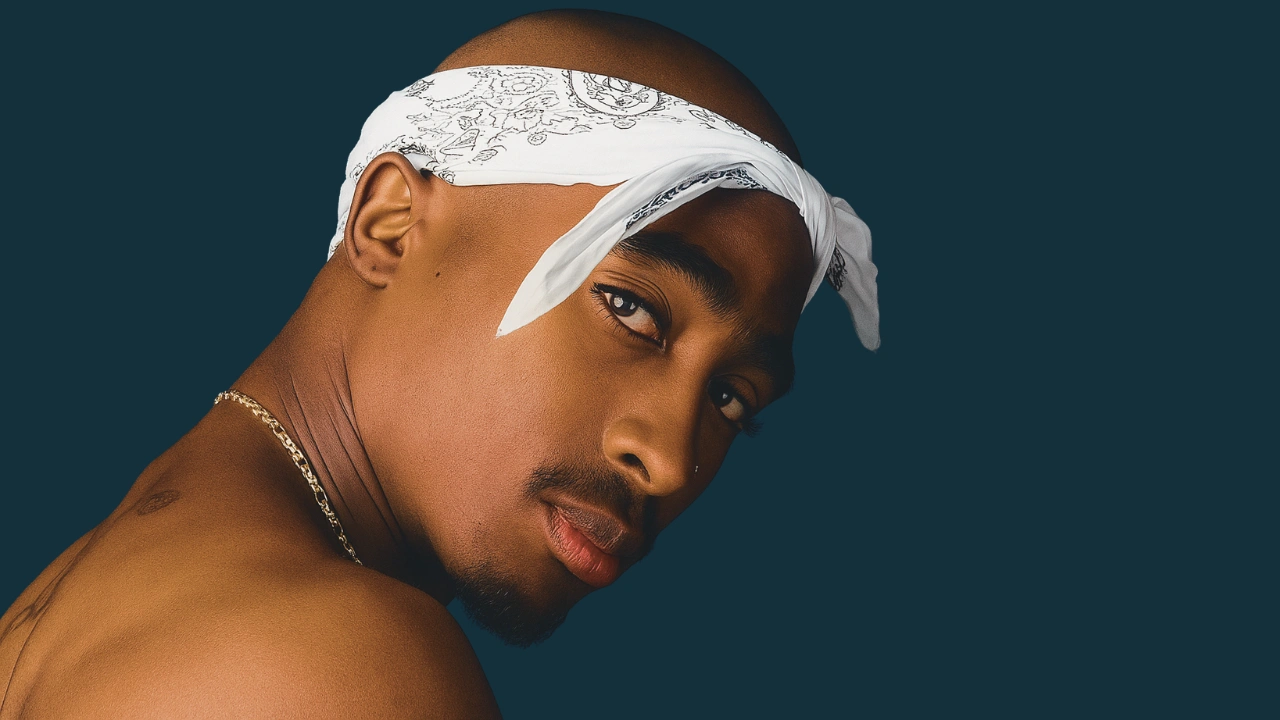
A Las Vegas jury convicted Duane "Keffe D" Davis of first-degree murder in Tupac Shakur`s 1996 killing. Sentencing is set for Oct. 13, 2026.
Duane "Keffe D" Davis Found Guilty in Tupac Shakur's 1996 Murder
A Las Vegas jury convicted Duane "Keffe D" Davis, 63, of first-degree murder on August 31, 2026, in the 1996 drive-by shooting of rapper Tupac Shakur, closing a nearly 30-year investigation that had stalled for decades. The verdict came in a Clark County, Nevada courtroom, following a trial that centered on Davis's own public accounts of the killing. The conviction matters because it resolves one of American music's most enduring cold cases and marks the only criminal conviction ever secured in Shakur's death.
Key Developments
Jurors deliberated for roughly three hours before returning a guilty verdict on a single count of first-degree murder with use of a deadly weapon, according to NBC News and CNN. Davis did not testify in his own defense.
Clark County District Court Judge Carli Kierny ordered Davis held without bail and scheduled sentencing for October 13, 2026, according to Rolling Stone and CNN. He faces a possible sentence of life in prison without parole, since Nevada law permits a murder conviction for someone who facilitated a killing without personally pulling the trigger.
Prosecutors chose not to pursue an additional gang-enhancement phase of the case, citing "witness logistics," a decision that shortened the proceedings after the verdict, per CNN.
Following the ruling, Davis told the court he intended to appeal and asked to have his personal belongings, including a phone and laptop, returned to him, CNN reported.
Background: A Killing That Went Unsolved for Decades
Shakur, 25 at the time and widely regarded as one of hip-hop's most influential artists, was shot on September 7, 1996, while riding in a car driven by Death Row Records co-founder Marion "Suge" Knight. The vehicle had stopped at a red light near the Las Vegas Strip when a white Cadillac pulled alongside it and gunfire erupted, according to TIME and ABC News. Knight was grazed by a bullet and survived; Shakur suffered multiple gunshot wounds, including one that tore through his lung, and died at a hospital six days later, on September 13, 1996.
For years the case sat cold. Investigators say Davis's own public statements — made in police interviews, documentary appearances and his 2019 memoir, "Compton Street Legend" — eventually reopened the door to prosecution. Las Vegas police said at the time of his arrest that his media appearances promoting the book helped "reinvigorate" the investigation, according to TIME.
Davis was arrested in September 2023 and indicted on a charge of murder with use of a deadly weapon, alongside a gang enhancement, Fox News reported. He was held without bail through his trial, which began August 17, 2026, following a postponement from an original March 2025 date after defense attorneys sought more time to investigate new witness claims, Rolling Stone Australia reported at the time.
Prosecutors argued that Davis, a former leader of the South Side Compton Crips, orchestrated the shooting as retaliation after Shakur and his associates assaulted Davis's nephew, Orlando "Baby Lane" Anderson, in a casino altercation hours before the killing, according to NBC Los Angeles and The Washington Post. In a 2008 police interview played for jurors, Davis said he supplied the handgun and that Anderson fired it, NBC Los Angeles reported. It remains unclear, based on trial reporting from TIME, whether Anderson or another man in the back seat fired the fatal shots; both are now deceased, which limited available eyewitness testimony.
Over nine days, the 16-member jury — including four alternates — heard from 24 prosecution witnesses and three defense witnesses, NPR reported. Davis's attorney, Michael Sanft, argued the state's case relied on stories Davis told "for money and notoriety" rather than firsthand truth, and unsuccessfully sought to exclude his prior statements from trial, according to Rolling Stone and NBC Los Angeles.
Public and Industry Impact
The verdict lands two weeks before the 30th anniversary of Shakur's death and has drawn a strong public reaction from hip-hop fans and Shakur's family. His sister, Sekyiwa "Set" Shakur, was seen crying quietly in court as the verdict was read, while stepbrother Mopreme Shakur raised his fist after the hearing, according to CNN and NBC News.
Outside the courthouse, fan reaction was mixed on whether the case is fully closed. One Shakur fan, Derrick Lee Stanton Jr., told reporters the conviction was a "great moment" but said he believes others connected to the killing have not yet been held accountable, according to Time.
The case has long occupied a unique place in music-industry history, tied closely to the 1990s East Coast–West Coast rap rivalry and the rise and fall of Death Row Records. Its resolution is likely to renew commercial and media interest in Shakur's catalog, documentaries and retrospectives, though no confirmed industry announcements have followed the verdict as of this report.
What Happens Next
Davis is scheduled to be sentenced on October 13, 2026, and faces up to life in prison without the possibility of parole. He has indicated through his attorney that he will appeal the conviction; under Nevada procedure, any appeal follows sentencing. No additional suspects have been charged in the case.
6. FAQ
Q: Who was convicted in Tupac Shakur's murder? A: Duane "Keffe D" Davis, 63, a former leader of the South Side Compton Crips, was convicted of first-degree murder on August 31, 2026.
Q: When was Tupac Shakur killed? A: Shakur was shot on September 7, 1996, near the Las Vegas Strip and died on September 13, 1996.
Q: When will Duane Davis be sentenced? A: Sentencing is scheduled for October 13, 2026, in Clark County District Court before Judge Carli Kierny.
Q: What sentence does Duane Davis face? A: Davis faces a possible maximum sentence of life in prison without the possibility of parole.
Q: Did Duane Davis pull the trigger? A: No. Prosecutors said Davis provided the gun and orchestrated the shooting; Nevada law allows a murder conviction for someone who facilitates a killing without firing the weapon.
Q: Why was Tupac Shakur shot? A: Prosecutors said the shooting was retaliation after Shakur and his associates assaulted Davis's nephew, Orlando "Baby Lane" Anderson, in a casino altercation earlier that night.
Q: Was Suge Knight injured in the shooting? A: Yes. Marion "Suge" Knight, who was driving the car Shakur was riding in, was grazed by a bullet and survived.
Q: Will Duane Davis appeal the verdict? A: Yes. Davis told the court immediately after the verdict that he intends to appeal.
7. KEY TAKEAWAYS
- A Las Vegas jury convicted Duane "Keffe D" Davis of first-degree murder on August 31, 2026, in Tupac Shakur's 1996 killing.
- Davis, 63, did not fire the fatal shots but was convicted for orchestrating and supplying the weapon used in the drive-by shooting.
- Sentencing is set for October 13, 2026; Davis faces up to life in prison without parole and plans to appeal.
- The case had gone unsolved for nearly three decades until Davis's own public statements and 2019 memoir reopened the investigation.
- Shakur, 25, died on September 13, 1996, six days after being shot near the Las Vegas Strip; Death Row Records co-founder Suge Knight was also wounded.
- The verdict is the only criminal conviction ever secured in Shakur's death.