
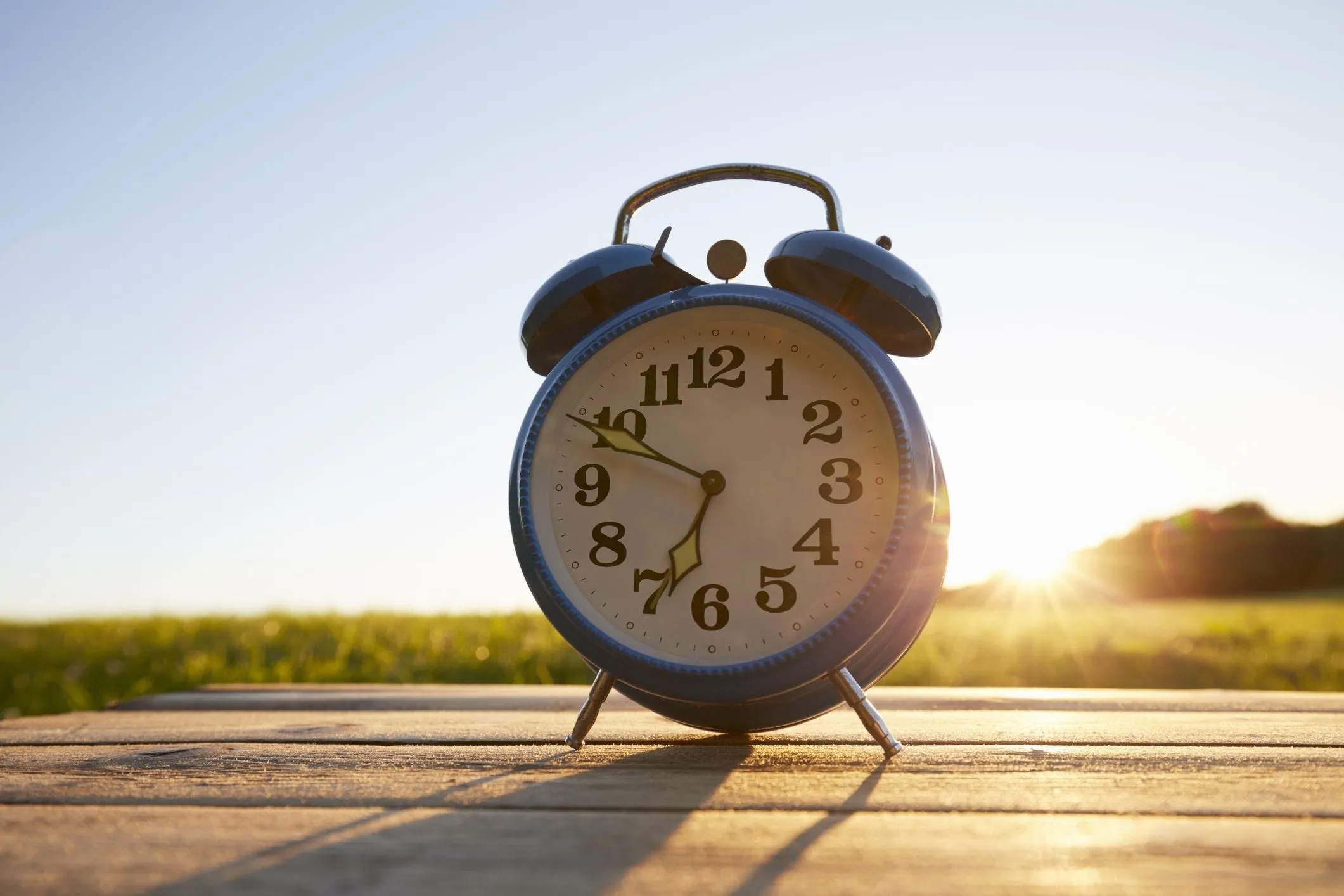
Daylight Saving Time begins on March 9, 2025, as clocks spring forward by one hour. Learn about the time change, its impact, and whether permanent daylight saving time is on the horizon.
Daylight Saving Time 2025: Everything You Need to Know
As we move into spring, it’s time once again to adjust our clocks for Daylight Saving Time (DST). On Sunday, March 9, 2025, at 2:00 AM, clocks will spring forward by one hour, marking the official start of DST in most of the United States. This means longer daylight hours in the evening but also one less hour of sleep for many.
With ongoing debates about whether the U.S. should make daylight saving time permanent, many are wondering if this could be one of the last time changes. Here’s what you need to know about DST in 2025, its impact, and the latest discussions on potential reforms.
When Does Daylight Saving Time 2025 Start?
- Date: Sunday, March 9, 2025
- Time Change: Clocks move forward one hour at 2:00 AM local time
- Duration: DST will last until Sunday, November 2, 2025, when clocks fall back
Most of the U.S. follows daylight saving time, but Hawaii and most of Arizona do not observe the change. Some U.S. territories, like Puerto Rico, Guam, and the U.S. Virgin Islands, also remain on standard time year-round.
Why Do We Change the Clocks?
Daylight Saving Time was initially introduced to make better use of daylight hours and conserve energy. By shifting an hour of daylight to the evening, the idea is that people will use less artificial lighting and reduce electricity consumption. However, studies on its effectiveness remain mixed, and many Americans question whether it’s still necessary.
Effects of Daylight Saving Time
- More Daylight in the Evening: Longer daylight hours allow for more outdoor activities after work or school.
- Sleep Disruptions: Losing an hour of sleep can impact people’s health, leading to grogginess and a short-term increase in accidents.
- Potential Health Impacts: Research suggests that DST transitions may lead to higher risks of heart attacks, strokes, and workplace injuries due to sudden sleep schedule changes.
- Economic Benefits: Retail and outdoor businesses tend to benefit from longer daylight hours, as people are more likely to shop or dine out in the evening.
Will Daylight Saving Time Become Permanent?
In recent years, there has been a growing push to eliminate the biannual clock changes and keep daylight saving time year-round. The Sunshine Protection Act, a proposal to make DST permanent, has been introduced multiple times in Congress but has yet to pass.
Former President Donald Trump recently commented that he does not plan to change the current system, despite ongoing public debate. Many states have passed laws supporting permanent daylight saving time, but federal approval is required to implement these changes nationwide.
Tips for Adjusting to Daylight Saving Time
To make the transition easier, try these simple steps:
- Go to bed 15-30 minutes earlier a few days before the change to adjust gradually.
- Expose yourself to natural sunlight in the morning to reset your internal clock.
- Avoid caffeine and screens before bedtime to improve sleep quality.
- Plan extra time on Monday morning, as studies show a rise in accidents after the time change.
Conclusion
Daylight Saving Time 2025 officially begins on March 9, bringing longer daylight hours in the evening. While some welcome the extra sunlight, others continue to push for an end to the clock changes. Whether or not permanent DST becomes a reality, it’s essential to be prepared for the time shift and its effects.
For now, don’t forget to set your clocks forward one hour and adjust your sleep schedule accordingly!