
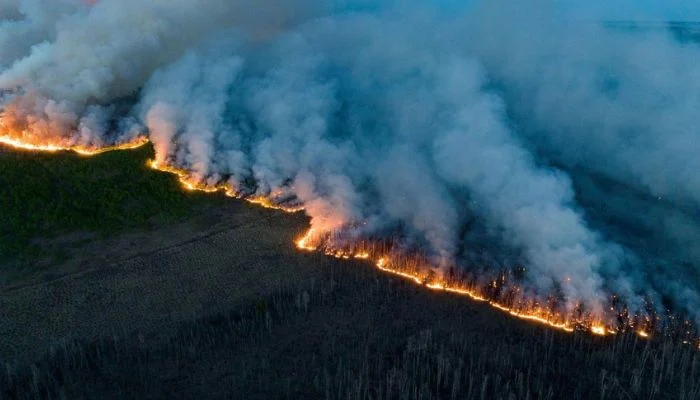
Smoke from Canadian wildfires has triggered air quality alerts across the northern United States and Toronto, Canada, as of July 17, 2026. The drifting smoke is causing hazardous air conditions, grounding flights and prompting health warnings for millions of residents. This cross-border event underscores the growing impact of wildfires in an era of intensifying climate patterns.
Wildfire Smoke Blankets Northern US and Toronto. Hazardous smoke from active wildfires burning across Canada is drifting south and east, blanketing parts of the northern United States and the city of Toronto with dangerous levels of particulate matter.
As of July 17, 2026, air quality alerts remain in effect for multiple regions, with the Environmental Protection Agency (EPA) and Environment Canada reporting Air Quality Index (AQI) levels in the "unhealthy" to "hazardous" categories.
Toronto, the most populous city in Canada, has experienced significant visibility reduction and deteriorating air quality, with haze and acrid smoke disrupting daily life. Plumes of smoke have also reached down into the Upper Midwest and Northeast of the United States.
In response to the deteriorating conditions, public health officials have issued advisories urging residents to remain indoors, particularly vulnerable populations such as the elderly, children, and those with pre-existing respiratory conditions. According to Environment Canada, the plume has moved into the region following wind shifts from active fire zones in the western and northern Canadian provinces.
How the Smoke is Moving
The transportation of smoke across the border follows a predictable pattern of atmospheric currents. Meteorologists tracking the plume note that it initially originated from large-scale wildfire complexes in British Columbia and the Northwest Territories. These fires have been fuelled by prolonged drought conditions and record-high temperatures in the region.
By July 16, a strong cold front pushing through the Prairies helped funnel the dense smoke southwards, bringing it directly into the heavily populated corridor along the Great Lakes. This specific event is the most significant smoke intrusion observed in the region since the widespread Canadian fires of 2023.
- Air Quality Advisories: The US National Weather Service (NWS) has issued alerts for Minnesota, Wisconsin, Michigan, and parts of New York State.
- Visibility Reports: Toronto Pearson International Airport reported visibility dropping to under two miles at midday, leading to minor ground delays for inbound flights.
- Health Advisories: Schools in affected districts have restricted outdoor activities, and local governments have opened cooling and clean-air centres.
CONTEXT: The 2026 Wildfire Season
The 2026 wildfire season in Canada has been characterized by an early and intense start. Following a winter with below-average snowfall and a spring marked by unseasonably warm temperatures, vast tracts of forest have become tinder-dry.
A lightning storm on July 10 ignited multiple new fires in the British Columbia interior, rapidly escalating the acreage burned. Current estimates from the Canadian Interagency Forest Fire Centre (CIFFC) suggest that over 1.5 million hectares of land have already been scorched in 2026, a figure that is significantly above the 10-year average for this point in the season.
The smoke crisis is a stark reminder of the cascading consequences of extreme weather events. While scientists work to attribute specific events to climate change, there is a consensus in the scientific community that hotter, drier conditions increase the frequency and severity of wildfires.
Historical Context: The 2023 wildfires in Canada were unprecedented, burning 18.5 million hectares and darkening skies across the eastern US. While the 2026 season is currently less severe in total acreage, the specific weather patterns this week are leading to a high-impact smoke event for densely populated cities.
INDUSTRY AND PUBLIC IMPACT
Air Travel Disruptions
The visible haze has impacted aviation, not only at Toronto Pearson but also at smaller regional airports. While jets are generally unaffected by reduced visibility at cruising altitude, landings and takeoffs require specific visual separation.
Economic Impact
Local businesses that rely on outdoor tourism, such as patio restaurants and lakefront attractions, are experiencing reduced foot traffic. The economic cost of the smoke, while difficult to quantify immediately, mirrors the pattern seen in previous severe haze events where productivity dips due to employee absences.
Health Systems
Hospitals in Toronto and northern US cities have reported a slight uptick in patients presenting with respiratory distress. Public health experts emphasize that exposure to fine particulate matter (PM2.5) can aggravate asthma and bronchitis.
WHAT HAPPENS NEXT
Weather forecasts indicate that the cold front pushing the smoke south may stall over the Great Lakes region, which could mean that the poor air quality persists for another 24 to 48 hours.
Potential Relief: A shift in wind direction to the west or southwest is expected by late July 18, which could push the smoke back toward the Atlantic Ocean.
Monitoring: Government agencies are keeping monitoring stations active, and residents are advised to check their local AQI readings before leaving their homes. The long-term forecast for the rest of July suggests continued high fire danger in western Canada, meaning this cross-border smoke event may not be the last this summer.
FAQ
1. Why is there smoke in Toronto and the northern US today?
The smoke is drifting south from active wildfires burning in western and northern Canada. Winds are carrying the particulate matter across the border into the United States and the Great Lakes region as of July 17, 2026.
2. What areas are under air quality alerts?
Air quality alerts are in effect for parts of Minnesota, Wisconsin, Michigan, New York State, and the Greater Toronto Area in Canada. Local authorities have issued warnings due to elevated PM2.5 levels.
3. Is it safe to go outside in Toronto right now?
Current advisories suggest limiting outdoor activities, especially for children, the elderly, and those with asthma or heart conditions. You should check the local Air Quality Health Index (AQHI) provided by Environment Canada.
4. When will the smoke clear?
Meteorologists predict that the smoke may linger for another 24 to 48 hours. A shift in wind direction later in the week could help clear the haze from these regions.
5. How does wildfire smoke affect my health?
Exposure to wildfire smoke can cause immediate symptoms like coughing, itchy eyes, and difficulty breathing. Fine particles in the smoke can also worsen chronic heart and lung diseases.
6. Were there fires like this in Canada before?
Yes, in 2023, Canadian wildfires burned record amounts of land and produced major smoke events that affected millions across North America. The 2026 season is following a similarly severe trend.
KEY TAKEAWAYS
- Hazardous Smoke Plume: Wildfires in western and northern Canada are sending a significant smoke plume across the northern US and Toronto as of July 17, 2026, degrading air quality.
- Air Quality Warnings: Authorities in the US and Canada have issued air quality alerts, recommending residents stay indoors to avoid exposure to harmful PM2.5 particles.
- Flight Disruptions: Visibility at major hubs like Toronto Pearson International Airport has been reduced, leading to flight delays and ground stops.
- Health Risks: Public health officials are reminding residents that the smoke poses immediate risks to health, particularly for vulnerable populations.
- Fire Season Context: This event underscores an aggressive start to the 2026 wildfire season, driven by drought and extreme heat.