
The OECD has nudged its 2026 global growth forecast up to 2.9%, crediting AI infrastructure spending for cushioning a Middle East energy shock — while warning that inflation, bond yields and weak AI returns could shave 0.7 points off 2027 growth.
The world economy is proving more resilient than expected, but the cushion is thinner than the headline number suggests. In its interim economic outlook published on September 23, the Organisation for Economic Co-operation and Development projected global growth of 2.9% in 2026 — a modest upgrade from the 2.8% it forecast in June — before edging up to 3.0% in 2027. Both figures follow strong growth of 3.4% in 2025.
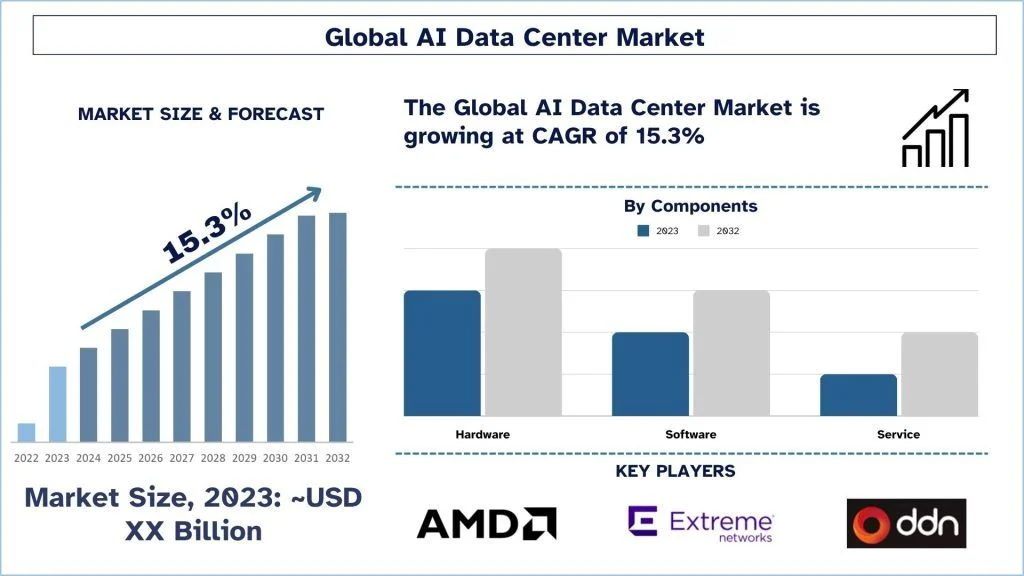
The resilience rests largely on one engine: artificial intelligence. The OECD said heavy spending on AI infrastructure — data centres, semiconductors, servers, power and networking — has been a key pillar of this year's performance, lifting growth in the United States and boosting technology exports from Japan and South Korea. That capital spending supports manufacturing and trade even as broader demand cools.
A war-driven energy shock, partially absorbed
The global economy has weathered the energy supply shock triggered by conflict in the Middle East better than many feared. Alternative export routes, strategic inventory releases and higher production outside the Gulf have limited the immediate damage. But the OECD is explicit that these buffers are finite. If disruption persists or inventories run down, commodity prices can climb again.
Inflation remains sticky. The OECD projects G20 inflation at 4.1% in 2026, up slightly from its June estimate, and raised its 2027 forecast to 3.6% from 3.1%. That path keeps many central banks cautious and suggests borrowing costs and wage growth will not return quickly to pre-inflation norms.
What it means for investors
For investors, the report sketches a world of uneven opportunity rather than broad momentum. The regional split matters more than the global average:
- United States: growth seen at 2.2% in 2026 and 2.1% in 2027, both upgrades, as AI-related investment offsets weaker consumer spending. Inflation is projected at 3.6% this year before easing to 2.6% in 2027.
- China: slowing to 4.5% in 2026 and 4.2% in 2027, unchanged from June, as Beijing's curbs on excess industrial capacity weigh on investment.
- Euro zone: holding at just 1.0% in both years, with higher energy prices and interest rates restraining activity before new defence spending provides support. Euro zone inflation is forecast at 3.0% this year and 2.9% in 2027, partly driven by a jump in natural gas prices as European storage sits at 15-year lows.
- Japan: 0.8% in 2026 and 0.7% in 2027, with rising policy rates and costlier energy imports offsetting strong business investment.
- Canada: the 2026 forecast was cut to 0.9% from 1.2%, and 2027 to 1.3% from 1.7%, reflecting new U.S. tariffs on Canadian exports.
Three threads run through the investment implications. First, AI-related capital expenditure remains a genuine macro tailwind, but the OECD cautions it does not mean every AI equity is fairly valued — capital spending can lift GDP even if some projects later earn disappointing returns. Second, high long-term sovereign bond yields raise government interest bills and corporate borrowing benchmarks alike, compressing valuation multiples even where growth is positive. Finance teams should model growth and cost of capital separately. Third, exporters and importers face very different demand environments despite a single global average, making scenario planning more useful than point forecasts.
The downside scenario
The OECD flagged several risks that could compound: renewed energy market jitters, extreme weather tied to a strong El Niño, surging government bond yields and disappointing AI investment returns. Crucially, it estimated that if these materialised together, they could reduce global growth by 0.7 percentage points next year and raise global inflation by 1.1 percentage points.
That is the tension investors must price in: an economy buoyed by a tech-led investment boom, sitting inside a wide range of uncertainty rather than on a stable path. The next few quarters will test whether AI spending can keep carrying growth — or whether the energy and financing pressures finally catch up.
Sources: OECD interim economic outlook (September 23, 2026); Reuters; Euronews; The Globe and Mail.