
Trump says Iran peace deal signing possible in Europe this weekend. Iran says no final decision yet. Strait of Hormuz tensions persist despite negotiations.
WASHINGTON/DUBAI – In the span of 24 hours, the world witnessed President Donald Trump both threaten a major military escalation against Iran and proclaim the war all but over.
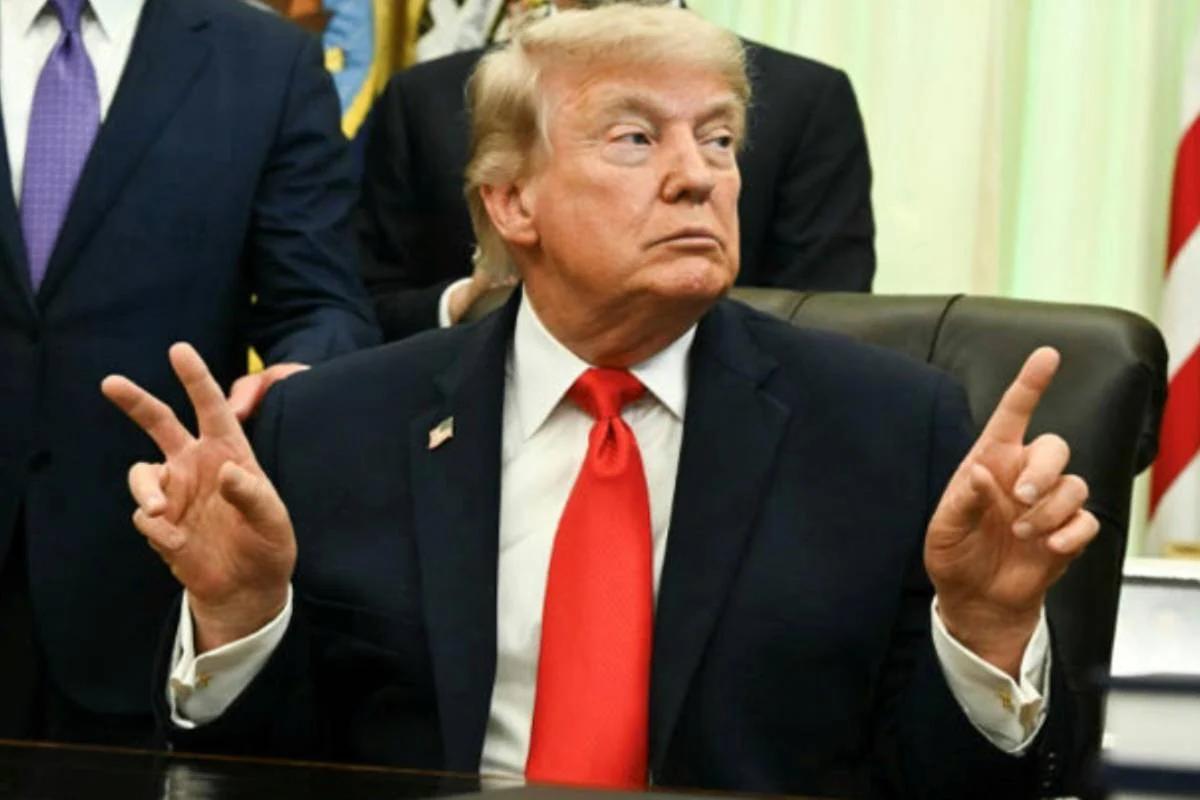
On June 11, the US president canceled a third night of planned strikes on Iranian territory hours after vowing to hit the Islamic Republic “very hard.” By nightfall, he was telling reporters at the White House: “We just made a great settlement of the war with Iran.” The proposed signing, which Trump suggested could happen in Europe as early as this weekend, would reopen the Strait of Hormuz to international shipping—a vital waterway through which one-fifth of the world’s energy shipments normally transit but has been largely shut since the war began.
Vice President JD Vance would attend the signing ceremony on behalf of the United States, according to Trump. When asked whether Iran’s Supreme Leader, Ayatollah Mojtaba Khamenei, had approved the deal, Trump replied: “I understand the answer is yes.”
The truth, however, may be more complicated.
Iran Pushes Back
Within hours of Trump’s announcement, Iranian officials publicly disputed the president’s characterization. Foreign Ministry spokesperson Esmaeil Baghaei told Iranian media that while large portions of the negotiating text had been finalized, Iran had not reached any final conclusion. “This is a very important issue that is currently being reviewed by the relevant decision-making bodies,” he said.
The gap between the two sides’ public statements reflects a recurring pattern. Since mid-March, Trump has declared a deal with Iran imminent on at least 38 separate occasions, according to CNN analysts.
Seth Jones, president of the Defense and Security Department at the Center for Strategic and International Studies, told CNN: “At this point, there is no reliable evidence that we have a deal and if there is a deal it is still not clear if that deal will stick.”
What a Deal Might Look Like
The emerging agreement, which Trump described as “a very strong memorandum of understanding that is a little conceptual,” is believed to have several key components.
First, the deal would immediately reopen the Strait of Hormuz without tolls, allowing oil tankers and commercial shipping to resume normal transit. In exchange, the United States would suspend its naval blockade of Iranian waters. An existing ceasefire would extend by 60 days, including in Lebanon, while broader negotiations continue.
The second phase of talks would tackle the most difficult issue: Iran’s nuclear program. According to the International Atomic Energy Agency, Iran maintains a stockpile of approximately 440 kilograms of uranium enriched up to 60 percent purity—a short technical step away from weapons-grade levels of 90 percent. Iran has repeatedly denied seeking nuclear weapons, but the IAEA has been unable to inspect key facilities since the war began.
Trump has repeatedly said that any peace deal must ensure Iran cannot develop a nuclear weapon. “The big thing is there will be no nuclear weapons in Iran. That means not developed and not purchased,” he said.
Iran’s demands include the complete lifting of international sanctions, the release of billions of dollars in frozen assets held abroad, and recognition of its control over the Strait of Hormuz.
Strikes and Counterstrikes
The diplomatic flurry followed two days of intensified fighting. After a US Apache helicopter was downed near the Strait of Hormuz—an incident Iran denied involvement in—Trump ordered new strikes on Iranian positions for two consecutive nights.
Iran responded with missile and drone attacks on US bases in the region. Bahrain’s interior ministry reported that an 11-year-old girl suffered minor injuries when debris from intercepted Iranian drones fell on homes.On Friday morning, Iranian state media said the country’s military stopped a tanker from transiting the strait without prior coordination.
Trump had earlier threatened to seize Kharg Island, which handles approximately 90 percent of Iran’s oil exports. Such an operation would have severely disrupted Iran’s energy trade—but also risked significant American casualties.
Israel Caught Off Guard
The diplomatic maneuvering also strained relations with America’s closest regional ally. Citing an unnamed Israeli source, CNN reported that Prime Minister Benjamin Netanyahu was caught off guard by Trump’s Truth Social post announcing an imminent deal.
Netanyahu’s office issued a statement clarifying that while Israel is not a party to the memorandum of understanding, the prime minister thanked Trump for his commitment that any final agreement would include removing Iran’s enriched nuclear material, dismantling its enrichment facilities, limiting missile production, and ending support for regional proxies.
Republican allies of the president have also voiced caution. Senator Lindsey Graham of South Carolina said any agreement involving Iran’s nuclear program must be submitted to Congress for review under the Iran Nuclear Agreement Review Act of 2015. “As in the past, any agreement reached with Iran related to their nuclear program will be presented to Congress for review and approval,” Graham wrote.
Economic Fallout and Markets
The three-month war has taken a heavy toll on the global economy. On June 11, the World Bank lowered its 2026 global growth forecast to 2.5 percent—down from 2.9 percent in 2025 and the lowest rate since late 2019.The bank’s semi-annual Global Economic Prospects report cited higher energy prices, steeper inflation, and increased borrowing costs stemming from the Middle East conflict.
Brent crude oil prices are projected to average $94 a barrel in 2026, 36 percent above 2025 levels, assuming the worst disruptions abate by July, according to the World Bank.Global inflation is expected to rise to 4.0 percent this year, up from 3.3 percent in 2025.
Yet downside risks remain significant. The World Bank warned that if energy supply disruptions prove more severe and are accompanied by substantial financial stress, global growth could fall to just 1.3 percent in 2026, with inflation rising to 4.4 percent.
Financial markets reacted positively to Trump’s announcement. US stocks rose, oil prices fell to two-month lows, and Asian stocks joined a strong global rally on hopes that a peace deal may finally materialize.
Domestic Political Pressures
The conflict has become a political liability for the White House. Polls show Trump’s approval ratings sinking amid voter anger over high gasoline prices. Some Republicans have openly worried that the war’s unpopularity could cost them control of Congress in November’s midterm elections.
At the same time, Trump faces pressure from Iran hawks within his own party, who scuttled a prior effort and insist that any agreement must permanently close Tehran’s path to developing a nuclear weapon. The administration thus finds itself navigating contradictory demands: an electorate weary of war versus a party base that views insufficiently tough terms as appeasement.
What Happens Next
Several scenarios remain possible over the coming days and weeks.
If the memorandum of understanding is signed over the weekend, as Trump has suggested, the immediate priority would be the reopening of the Strait of Hormuz and the halting of active hostilities. The 60-day ceasefire extension would provide a window for negotiators to address the nuclear question in a second phase of talks.
However, Iran’s insistence that no final decision has been made raises the possibility of delay or collapse. Trump himself acknowledged the tentative nature of the agreement, calling it “a little conceptual.”
Even if signed, the deal faces significant hurdles. Congressional review could delay or alter implementation. Skeptics, including CNN’s Scott Jennings, have warned that an agreement without constant monitoring and economic pressure “is worth nothing.”
The White House has not released a detailed text of the proposed memorandum of understanding, and neither Iran nor its regional allies have publicly confirmed the terms Trump described. Until such confirmation arrives, the world will watch a familiar pattern: a president declaring peace while the guns have not yet fallen silent.
FAQ (AEO OPTIMIZED)
Q: When could the Trump-Iran peace deal be signed?
A: President Trump said a signing ceremony could take place in Europe as soon as the weekend of June 13–14, 2026, with Vice President JD Vance representing the United States.
Q: Has Iran agreed to the deal?
A: Iran says no final decision has been reached. Foreign Ministry spokesperson Esmaeil Baghaei stated that while much of the text is finalized, the agreement is still under review by Iranian decision-making bodies.
Q: What would the deal do about the Strait of Hormuz?
A: The memorandum of understanding would immediately reopen the Strait of Hormuz to shipping without tolls, while the US would suspend its naval blockade.
Q: Will the deal stop Iran’s nuclear program?
A: Trump says any final agreement must ensure Iran cannot develop nuclear weapons. Nuclear issues are expected to be negotiated in a second phase, with Iran currently holding about 440 kilograms of uranium enriched to 60 percent purity—close to weapons grade.
Q: Why does this matter for the global economy?
A: The war has disrupted energy markets and sent oil prices soaring. The World Bank cut its 2026 global growth forecast to 2.5 percent, the lowest since 2019, due to the Middle East conflict.
Q: Did Israel support this deal?
A: Prime Minister Netanyahu was reportedly caught off guard by Trump’s announcement. Israel is not a party to the memorandum but has expressed appreciation for Trump’s commitment to removing Iran’s nuclear capabilities.
Q: How many times has Trump said a deal was close?
A: According to CNN, Trump has claimed an imminent Iran deal on at least 38 occasions since mid-March 2026.
Q: What happens if the deal falls through?
A: Without a deal, the war would likely continue, with further US strikes and Iranian retaliation. The Strait of Hormuz would remain largely closed, sustaining high energy prices and global economic pressure.
KEY TAKEAWAYS
- Trump canceled planned strikes on Iran on June 11, 2026, claiming a “great settlement” is near, with a possible European signing ceremony as soon as this weekend.
- Iran has publicly disputed the claim, stating no final decision has been reached and key issues remain under review by decision-making bodies.
- The emerging memorandum of understanding would reopen the Strait of Hormuz to shipping and extend the ceasefire for 60 days, leaving nuclear negotiations for a second phase.
- The three-month war has killed thousands and disrupted global energy markets, prompting the World Bank to cut its 2026 global growth forecast to 2.5 percent—the lowest since 2019.
- Israel was reportedly caught off guard by Trump’s announcement, and Republican allies including Senator Lindsey Graham have called for congressional review of any nuclear-related agreement.
- Trump has claimed an imminent deal on at least 38 occasions since March, leading analysts and even some Republican allies to urge skepticism.