
The DR Congo Ebola outbreak has topped 8,000 cases and 3,901 deaths. Thousands fleeing an Ituri camp and broken contact tracing are complicating containment.
The Ebola outbreak in the Democratic Republic of Congo has surpassed 8,000 cases, with 8,067 confirmed infections and 3,901 deaths since mid-May, according to figures cited from the World Health Organization. The 48 percent case-fatality rate marks it as the second-largest outbreak in history and the fastest-growing on record.
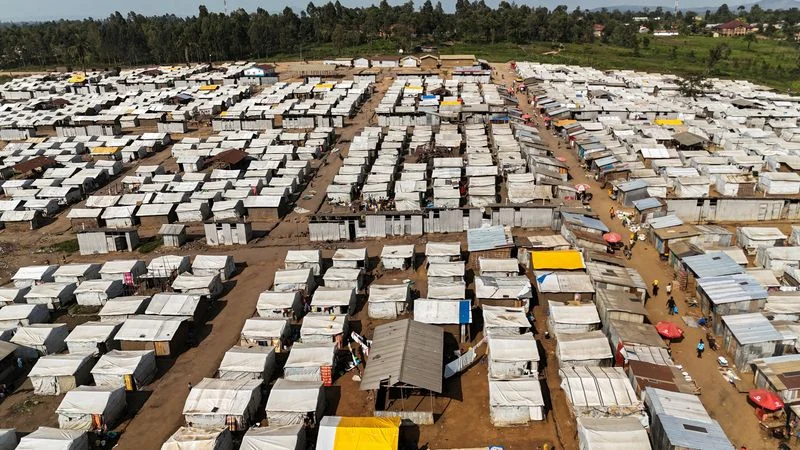
But the most urgent development this week came from Ituri province, where thousands of displaced residents fled the Kigonze camp after security forces entered the site looking for weapons. Congolese and health officials said clashes erupted, prompting the exodus over the past week.
The camp, which housed some 19,000 displaced people, now lies abandoned, UN Senior Ebola Coordinator Julien Harneis said in a statement. A transit centre where suspected Ebola cases were isolated, tested and treated was also burned down.
Contact tracing collapses
Two health officials with knowledge of the situation told Reuters that roughly 1,000 Ebola contacts had been living in the camp. Only about a fifth of them have since been traced. The UN warned that "the enormous challenge of halting the spread of Ebola in the Democratic Republic of the Congo just became even harder."
The UN refugee agency reported 88 confirmed Ebola cases and 56 deaths across Congo displacement sites, including those at Kigonze, while cautioning the toll is likely an underestimate.
Why camps amplify outbreaks
Displacement camps are especially vulnerable to rapid transmission. Aid groups cite overcrowding and poor sanitation, and the International Organization for Migration said its fatality rate for Ebola cases in other camps exceeded 80 percent, far above the roughly 50 percent average.
Ituri, South Kivu and North Kivu in eastern Congo have been devastated by decades of conflict and are home to more than 5 million displaced people. Ituri remains the worst-affected province, with 6,032 confirmed cases since the outbreak began, including 868 new confirmed cases between September 1 and September 23 alone.
A hard-to-treat strain
This is only the third outbreak since 2007 caused by the Bundibugyo strain of the virus. There are no vaccines or therapeutics approved specifically for Bundibugyo Ebola. The WHO noted that the persistently high fatality rate signals patients are not reaching supportive care early enough, with too many dying in their communities rather than at treatment centres.
Last week, G20 leaders meeting in New York committed $2.9 billion to the response. The Africa Centres for Disease Control and Prevention welcomed the pledge but called for "full transparency and traceability of every dollar," urging that the money be converted quickly into disbursements and measurable results.
The WHO has cautioned that despite tentative suggestions from DRC officials that transmission may have peaked, the outbreak remains entrenched across seven provinces, with a resurgence of activity in early September.