
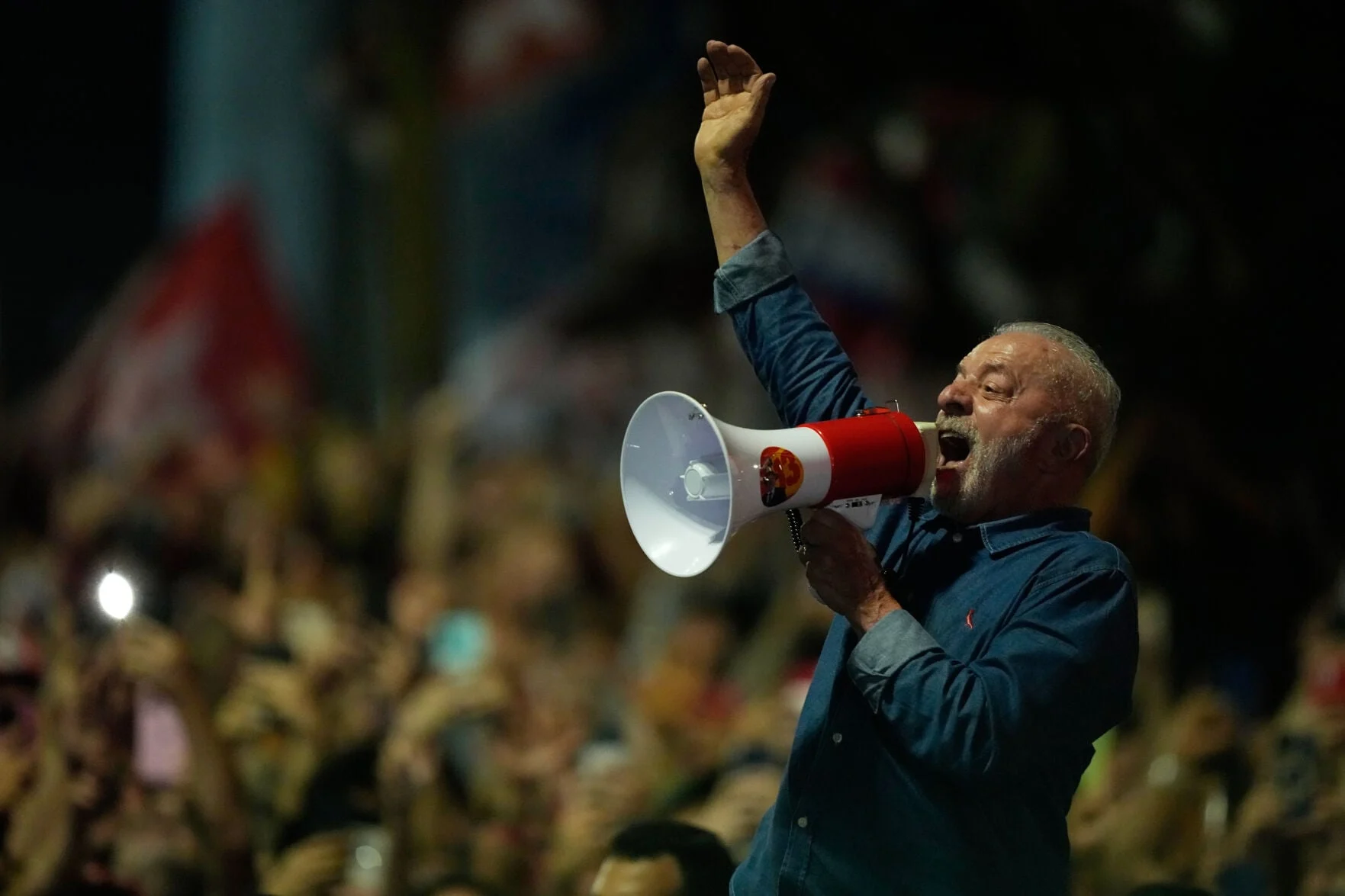
Lula da Silva wins Brazil's presidency with 51.79% of the runoff vote, becoming the first candidate since 1985 to take the office after losing the first round. Flavio Bolsonaro is contesting the result and markets fell.
Brazil's President Luiz Inácio Lula da Silva won a fourth non-consecutive term on Sunday, defeating Senator Flávio Bolsonaro in a runoff that reverses the first-round result and halts a run of right-of-center victories across Latin America.
With 100% of ballots counted, the Supreme Electoral Court recorded 51.79% for Lula against 48.2% for Bolsonaro, a margin of roughly 4.4 million votes. Close to 160 million Brazilians were registered to vote; more than 33 million abstained in the first round on 4 October, when Bolsonaro led 47% to 45%.
The comeback is unprecedented in modern Brazilian politics. Lula is the first candidate since the end of military rule in 1985 to win the presidency after finishing second in the first round, and the first Brazilian elected to four terms. His new mandate begins on 5 January 2027.
Bolsonaro contests the result
Bolsonaro refused to concede and said he would seek to have the election annulled. His complaint centres on a decision by Supreme Court Justice Cristiano Zanin, Lula's former lawyer, to extend voting nationwide by two hours three minutes before polls were due to close. Both campaigns had requested an extension: Lula's citing a shortage of buses serving polling stations in São Paulo and Bahia, Bolsonaro's citing heavy rain in the south. Bolsonaro called the change “changing the rules of the game in the middle of the game.”
The court's president, Kássio Nunes Marques, who was appointed by former president Jair Bolsonaro, confirmed the outcome and said the extension did not affect the result. Legal analysts say a challenge has little prospect of success: annulment would require evidence that the extended hours prevented voters from freely casting ballots, and the size of the margin makes a recount unlikely to alter the outcome.
Flávio Bolsonaro's party, the PL, later signalled it would recognise the official tally even as its candidate maintained his challenge.
A rebuke to Washington's regional push
The result matters well beyond Brazil. Latin America's largest economy, with annual output of about $2.6 trillion, has been a target of US tariff pressure under President Donald Trump, and Lula campaigned explicitly on sovereignty. “This country will not accept being anyone's backyard,” he told supporters on São Paulo's Paulista Avenue, where crowds gathered on Sunday night.
Trump told reporters the vote “looked like another rigged election” but offered no evidence, and he did not commit to intervening on Bolsonaro's behalf. Mexico's Claudia Sheinbaum, Peru's Keiko Fujimori and other leaders across the political spectrum congratulated Lula.
The victory leaves Brazil and Mexico, the region's two most populous countries, under left-of-center governments while a series of other administrations tilt toward Washington.
Markets and a divided country
Investors had priced in a Bolsonaro win after the first round. The São Paulo stock exchange opened sharply lower and trading was briefly halted before recovering some ground, while interest-rate futures rose as traders scrutinised Lula's fiscal intentions.
Lula, who turns 81 this week, returns to a country split almost evenly and a Congress dominated by Bolsonaro-aligned parties, limiting room for major legislative initiatives. He governed from 2003 to 2010, was jailed for 580 days on corruption convictions later annulled by the Supreme Court on grounds of judicial bias, and defeated Jair Bolsonaro in 2022. Jair Bolsonaro is now serving a 27-year sentence for attempting a coup after that defeat.
What to watch
The immediate test is legal: whether Bolsonaro's filing with the electoral court or the Supreme Court gains any traction before the transition. The second is fiscal: whether Lula's government can reassure markets without abandoning the spending commitments that helped rebuild his coalition. The third is institutional: turnout rose by the largest margin between two rounds since 1989, and Lula's camp is treating that mobilisation as a mandate to defend democratic norms against a movement that has not accepted his legitimacy.