
The Censure of Rep. Al Green: A Moment of Reflection for Congressional Civility
The Censure of Rep. Al Green: A Moment of Reflection for Congressional Civility
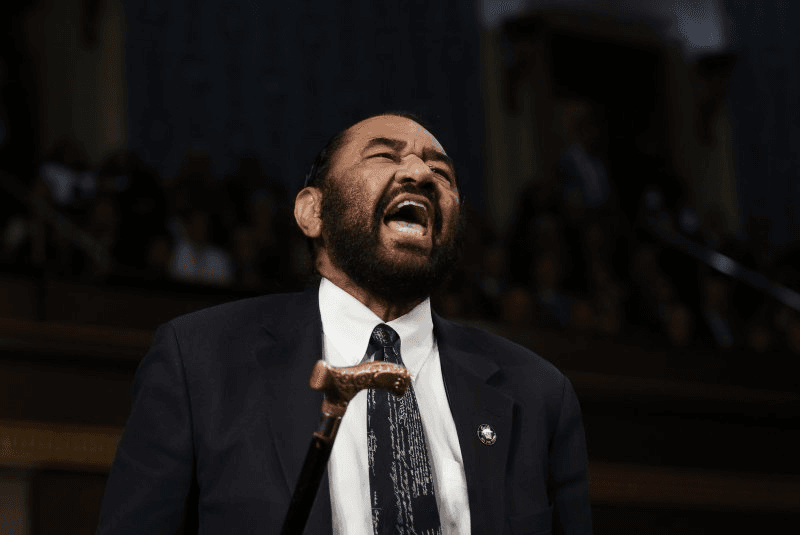
March 6, 2025 – In a move that has both shocked and divided the political sphere, the House of Representatives voted 224-198 to censure Democratic Representative Al Green of Texas. This unprecedented action stemmed from Green's interruption of President Trump's address to Congress, where he vocally protested potential Medicaid cuts.
The Incident: A Breach of Protocol
During President Trump's speech, Rep. Green stood and shouted, "Trump has no mandate!" Despite requests to desist, he continued his protest, leading to his removal from the chamber. Speaker Mike Johnson condemned Green's actions as "shameful," emphasizing the importance of maintaining decorum during official proceedings.
The Censure: Symbolic or Substantive?
The censure serves as a formal reprimand, marking the 28th instance of such an action in U.S. history. While it doesn't strip Green of committee assignments or voting rights, it stands as a significant gesture of disapproval. Green accepted the censure, reiterating his commitment to opposing policies he deems harmful.
Democratic Dilemma: Balancing Protest and Procedure
This incident has laid bare the fractures within the Democratic Party. While some members support Green's right to protest, others fear that such actions undermine the party's image and legislative effectiveness. The fact that ten Democrats joined Republicans in voting for the censure reflects these internal conflicts.
A Call for Unity and Reflection
As the Democratic Party grapples with this event, it's crucial to find a balance between passionate advocacy and respect for institutional norms. Constructive dissent is a cornerstone of democracy, but it must be weighed against the potential for alienation and loss of public trust. Moving forward, fostering unity and clear communication within the party will be essential to navigate the challenges ahead.