
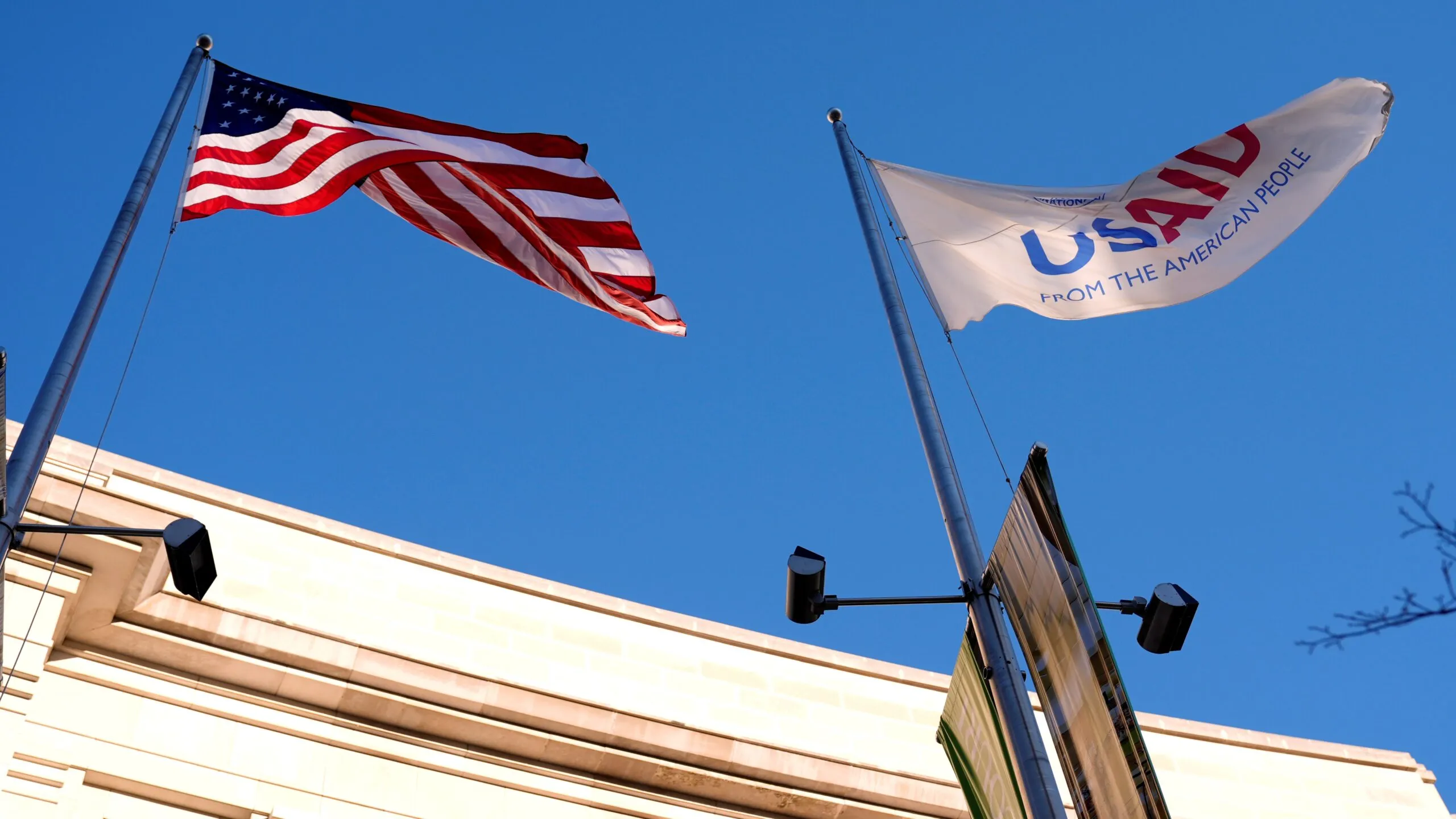
Supreme Court's Landmark Ruling: A Boost for USAID and Global Foreign Aid
Supreme Court's Landmark Ruling: A Boost for USAID and Global Foreign Aid
March 6, 2025 – The U.S. Supreme Court issued a crucial ruling in favor of the U.S. Agency for International Development (USAID), affirming its authority to distribute foreign aid funds to global programs without restrictions. The ruling, which came as a result of a challenge to a policy restricting foreign aid recipients from engaging in certain activities, marks a key victory for USAID partners, foreign policy advocates, and global humanitarian organizations.
What Does the Ruling Mean for USAID?
The Supreme Court’s decision ensures that USAID can continue its mission to assist countries in need, providing critical support to programs aimed at poverty alleviation, disease prevention, education, and economic development across the globe. The ruling removes the legal hurdles that were previously placed on the agency’s ability to fund certain programs, particularly in areas with contentious political environments.
Justice Alito, who was reportedly “stunned” by the ruling, expressed concerns about the potential implications for U.S. sovereignty and the control of American taxpayer funds. Despite these objections, the majority of the court sided with USAID, emphasizing the importance of continued support for global development efforts.
Multibillion-Dollar Victory for USAID Partners
As a result of the Supreme Court ruling, USAID and its partners stand to benefit from a multibillion-dollar windfall. According to reports from Devex, the ruling opens the door for renewed funding to critical programs across the globe. These programs, which focus on everything from global health initiatives to infrastructure projects, are essential in addressing ongoing challenges in developing countries.
Partners of USAID have long lobbied for more flexibility in the agency’s ability to allocate resources, arguing that political constraints had previously hindered its capacity to respond to urgent global crises. With this ruling, USAID is now poised to broaden its scope, enhancing its ability to deliver aid and respond quickly to emerging international challenges.
The Political and Legal Controversies
The case stems from the legal challenges brought by conservative lawmakers and organizations who believed that USAID’s funding should be contingent on specific political or social restrictions. Many of these opponents argued that foreign aid should not be used to support organizations that do not align with U.S. values. However, the Supreme Court’s decision to uphold the agency’s funding autonomy has sparked mixed reactions across the political spectrum.
Critics, including some conservative factions, have expressed concern that the decision could lead to increased U.S. taxpayer funding being used in ways they view as politically unacceptable. On the other hand, supporters of USAID’s mission have hailed the decision as a victory for global diplomacy and humanitarian work.
Implications for Future Foreign Aid and International Relations
This ruling also signals a shift in U.S. foreign policy, with a focus on enhancing international cooperation and support for global development efforts. The Supreme Court’s decision could lead to greater engagement with international allies and organizations that work toward addressing global challenges, including climate change, health disparities, and food insecurity.
USAID’s ability to fund programs without restrictive conditions allows for greater flexibility in the agency’s operations, enabling quicker responses to natural disasters, economic crises, and other urgent global issues.
Conclusion: A Major Win for Global Development
The Supreme Court’s ruling in favor of USAID’s funding authority is being celebrated by international development organizations, government officials, and USAID partners. The decision reaffirms the United States’ commitment to playing a leading role in global humanitarian efforts and addressing the most pressing challenges facing the world today. As USAID prepares to move forward with its expanded funding capabilities, its work in global development is poised for significant growth.