
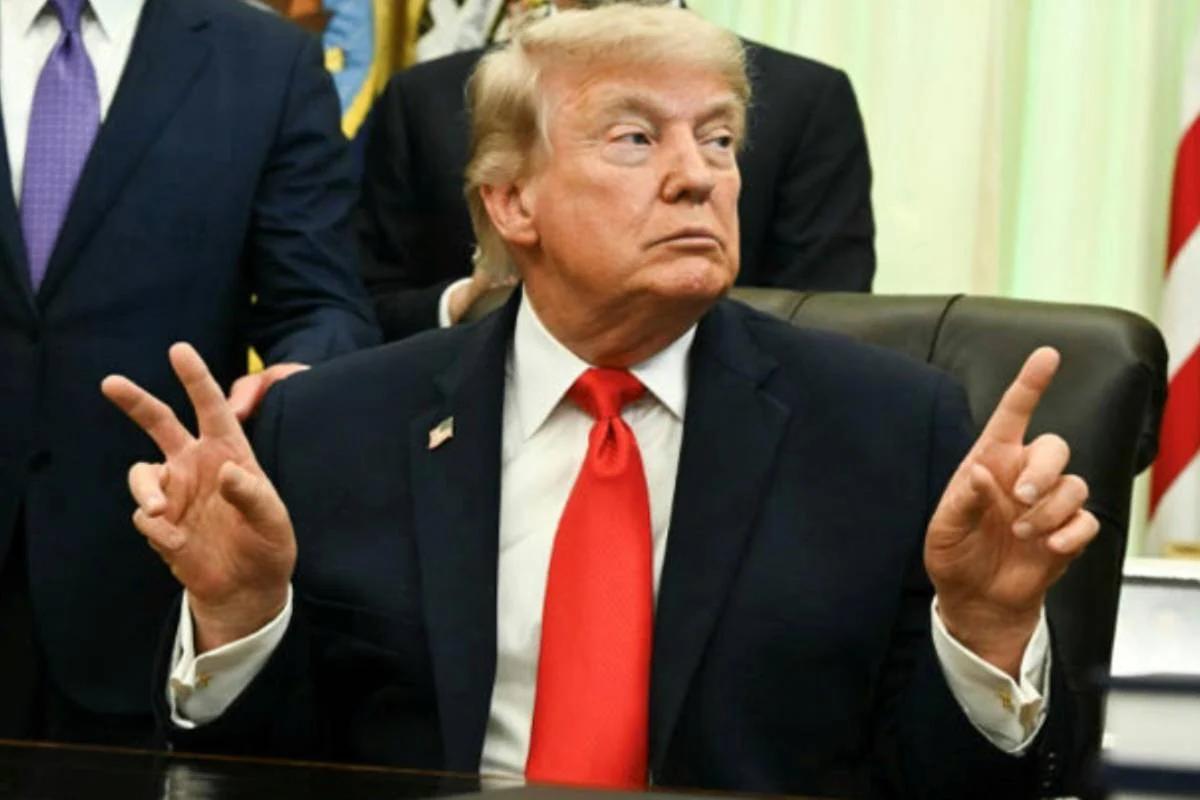
Trump administration has signaled the collapse of its proposed $1.776 billion "Anti-Weaponization Fund" following a federal court injunction and an unprecedented revolt within the Republican party.
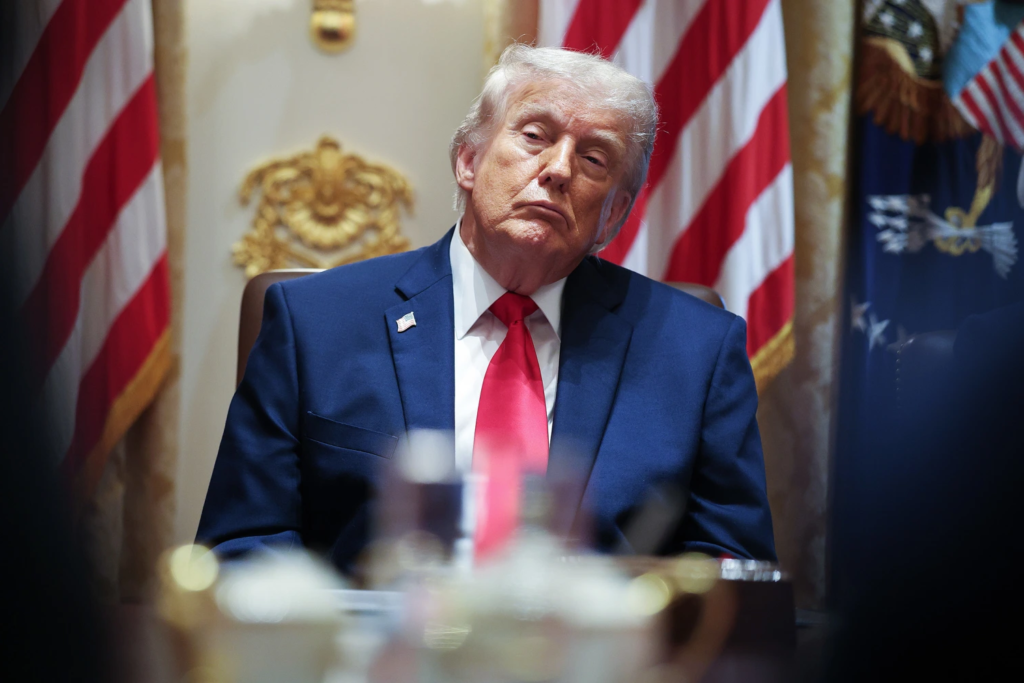
WASHINGTON, D.C. – In a dramatic reversal, the Trump administration has signaled the collapse of its proposed $1.776 billion "Anti-Weaponization Fund" following a federal court injunction and an unprecedented revolt within the Republican party. The fund, designed to compensate political allies who claimed they were "weaponized" by previous administrations, now faces legal oblivion and legislative efforts to permanently ban it.
The Department of Justice (DOJ) announced on Monday, June 1, that while it "disagrees strongly" with the court’s decision, it "will abide by the Court’s ruling" to freeze all activity related to the fund . Senior administration officials told Axios that the plan is "dead for now," marking a rapid implosion of a policy announced only weeks prior.
The Legal Freeze
The immediate cause of the collapse was a legal wall erected by U.S. District Judge Leonie Brinkema. Appointed by former President Bill Clinton, Brinkema issued a temporary restraining order on May 29, blocking the DOJ from transferring any money or processing any claims ahead of a critical hearing scheduled for June 12.
The ruling came in response to a lawsuit filed by Democracy Forward and Common Cause, arguing that the fund violated the Constitution’s Appropriations Clause by manufacturing a massive financial distribution system without congressional consent.
Judge Brinkema stated the hold was necessary to ensure no public money was "irreversibly disbursed" while the legal challenges proceed.
A ‘Mutiny’ on Capitol Hill
While the court provided the legal trigger, the political ammunition came from President Trump’s own party.
Senate Republicans, caught off guard by the announcement, openly rebelled against what they called a "slush fund."
The tension exploded during a closed-door meeting with Acting Attorney General Todd Blanche, where lawmakers expressed fury over the lack of guardrails—specifically the administration’s refusal to rule out payouts to individuals convicted for their roles in the January 6, 2021, Capitol attack.
Sen. Ted Cruz (R-Texas) noted that colleagues were "yelling" at the acting AG, deriding the idea as politically toxic.
Senate Majority Leader John Thune (R-S.D.) publicly pressured the White House to abandon the effort, stating that the "best way to handle" the fund "is if the administration decides to shut it down themselves". This rebellion effectively held the president’s legislative agenda hostage, stalling a $72 billion immigration enforcement bill until the fund was scrapped.
How the Fund Was Structured
The fund originated from an extraordinary settlement of a personal lawsuit Trump filed against the IRS over the leak of his tax returns. Instead of a direct payout, the DOJ agreed to divert funds from the Judgment Fund—a Treasury account intended for legal judgments against the U.S.—into a third-party compensation board.
Acting AG Blanche was slated to appoint a five-member commission with broad authority to issue taxpayer-funded checks and apologies to those alleging "lawfare". The fund’s price tag, $1.776 billion, was a symbolic nod to the year of America’s founding.
The Fight for a Permanent Ban
Despite the administration’s retreat, Democrats are refusing to accept a verbal assurance as final. Senate Minority Leader Chuck Schumer (D-N.Y.) vowed to force a floor vote, arguing that "Trump’s word is nowhere near enough".
Sens. Mark Kelly (D-Ariz.), Adam Schiff (D-Calif.), and Elissa Slotkin (D-Mich.) have introduced the "Drain the Slush Fund Act." The bill would permanently prohibit taxpayer dollars from being paid to the president or his allies via such a settlement mechanism, specifically barring payouts to those convicted of crimes related to the January 6 insurrection.
"If Republicans are serious about ending this brazenly corrupt scheme, they should have no problem voting for legislation banning any president from creating such a slush fund in the future," Schiff wrote on X.
What Happens Next
As of Tuesday, June 2, the fund remains in legal limbo. Judge Brinkema’s court will hear arguments on June 12 regarding a potential preliminary injunction. While the DOJ has paused operations, it has not dropped its appeal defending the fund’s legality, leaving the door slightly ajar for a future revival.
However, with bipartisan legislative opposition and a pending legal war involving multiple lawsuits—including a separate challenge by CREW citing the Domestic Emoluments Clause—the fate of the "Anti-Weaponization Fund" appears sealed. For now, the $1.8 billion pot remains inaccessible, serving as a flashpoint for the limits of executive power and the enduring guardrails of American governance.
FAQ
Q: What is the Trump "Anti-Weaponization Fund"?
A: It was a proposed $1.776 billion fund established by the DOJ to compensate individuals who claimed they were politically targeted or "weaponized" by the Biden and Obama administrations.
Q: Why was the Anti-Weaponization Fund blocked?
A: U.S. District Judge Leonie Brinkema issued a temporary restraining order on May 29, 2026, freezing the fund because it likely violated the Constitution by spending public money without congressional authorization.
Q: Could January 6 rioters have received money from this fund?
A: Yes, this was a major point of controversy. The Trump administration refused to rule out payouts to individuals pardoned for their roles in the January 6, 2021, Capitol attack, leading to a Republican revolt against the plan.
Q: What is the "Drain the Slush Fund Act"?
A: It is a bill introduced by Democratic Senators Mark Kelly, Adam Schiff, and Elissa Slotkin to permanently ban the use of taxpayer money for such a fund, specifically preventing payments related to presidential lawsuits or January 6 convictions.
Q: Is the fund completely dead?
A: While the DOJ is complying with the freeze and officials claim it is "dead for now," the department has not dropped its legal defense. A court hearing on June 12, 2026, will determine the next steps.
Q: How was the fund supposed to be paid for?
A: The money came from a settlement of a Trump lawsuit against the IRS. The DOJ agreed to use the permanent federal Judgment Fund—typically used for legal settlements against the U.S.—to finance the compensation board.
KEY TAKEAWAYS
- Legal Freeze: A federal judge blocked the $1.8 billion "Anti-Weaponization Fund" on May 29, barring any payouts until at least a June 12 hearing.
- GOP Revolt: Senate Republicans, led by John Thune and including critics like Ted Cruz, stalled the Trump agenda and demanded the fund be scrapped over fears it would pay January 6 rioters.
- Administration Retreat: The DOJ stated it will "abide by the court’s ruling," and anonymous officials told Axios the plan is "dead for now".
- Legislative Action: Democrats introduced the "Drain the Slush Fund Act" to permanently prevent any president from creating a similar compensation scheme .
- Origin Story: The fund was created as part of a settlement for a Trump lawsuit over leaked tax returns, bypassing Congress to create a compensation board for political allies .